
The Role of Baroreceptors in Regulating Blood Pressure and Stress
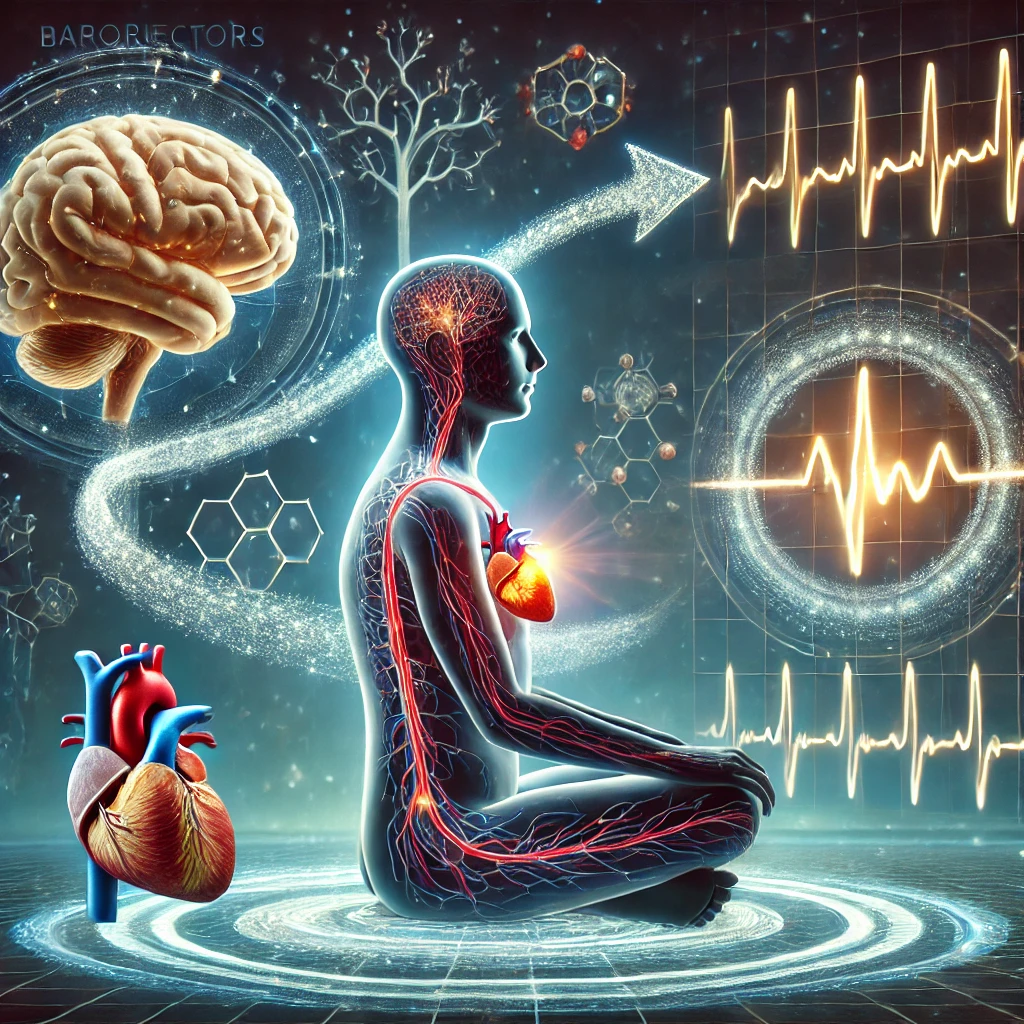
How Baroreceptors Work and Why They Are Essential to Biofeedback
Baroreceptors play a crucial role in regulating blood pressure and modulating the autonomic nervous system. In the context of biofeedback, their function is central to learning how to regulate physiological processes consciously, improve bodily control and reduce stress.
1. What Do Baroreceptors Do?
Baroreceptors are sensors located in the walls of the major arteries, including the carotid sinus and aortic arch. Their primary function is to detect changes in blood pressure:
-
If the pressure increases, baroreceptors send signals to the brain to activate the parasympathetic system, slowing the heartbeat and dilating the blood vessels.
-
If the pressure decreases, baroreceptors stimulate the sympathetic nervous system, increasing heart rate and constricting the blood vessels.
This negative feedback mechanism maintains blood pressure within a stable range and contributes to cardiovascular homeostasis.
2. Why Are Baroreceptors Relevant to Biofeedback?
In biofeedback, monitoring and regulating autonomic functions—such as blood pressure and heart rate variability—depend directly on baroreceptor sensitivity and effectiveness. This is why baroreceptors are so important:
a. Baroreflex Sensitivity and HRV
-
Baroreceptors influence heart rate variability (HRV), a key parameter in biofeedback. Greater baroreflex sensitivity is associated with higher HRV, a sign of a flexible and healthy autonomic nervous system.
-
HRV biofeedback aims to improve this sensitivity by strengthening the baroreceptors’ ability to respond to changes in blood pressure.
b. Stress Modulation
-
Through breathing and relaxation exercises, biofeedback stimulates the baroreceptors, promoting the activation of the parasympathetic system and reducing sympathetic activity. This helps reduce stress and improve physiological recovery.
c. Cardiovascular Regulation
-
Biofeedback can train the baroreflex to respond more effectively, improving blood pressure control. This is particularly useful for conditions such as hypertension or cardiovascular stress-related disorders.
3. Clinical Benefits of Integrating Baroreceptor Training into Biofeedback
Using biofeedback to optimize baroreceptor function has shown benefits across several conditions:
-
Arterial hypertension: improving baroreflex sensitivity helps reduce blood pressure without drugs (Lehrer et al., 2003).
-
Stress disorders: by increasing parasympathetic regulation, baroreceptors help reduce anxiety and chronic stress.
-
Cardiovascular diseases: higher vagal tone, achieved by stimulating the baroreflex, reduces the risk of serious cardiovascular events.
4. How Baroreceptors Are Involved in Biofeedback Techniques
-
Biofeedback HRV: slow and controlled breathing exercises (about 6 cycles per minute) improve the effectiveness of the baroreflex, synchronizing heart and breath.
-
Blood-pressure biofeedback: monitors and regulates the baroreceptor response, training the system to manage blood-pressure fluctuations more effectively.
-
Relaxation techniques: activate the baroreceptors, stimulating the parasympathetic system for a calming response.
Conclusion
Baroreceptors are fundamental to biofeedback because they mediate the regulation of blood pressure and the autonomic nervous system. Improving their sensitivity through biofeedback not only helps reduce stress and improve cardiovascular well-being, but also offers a powerful tool to manage chronic conditions such as hypertension and stress disorders.