
HOW THE HEART TALKS TO THE BRAIN…
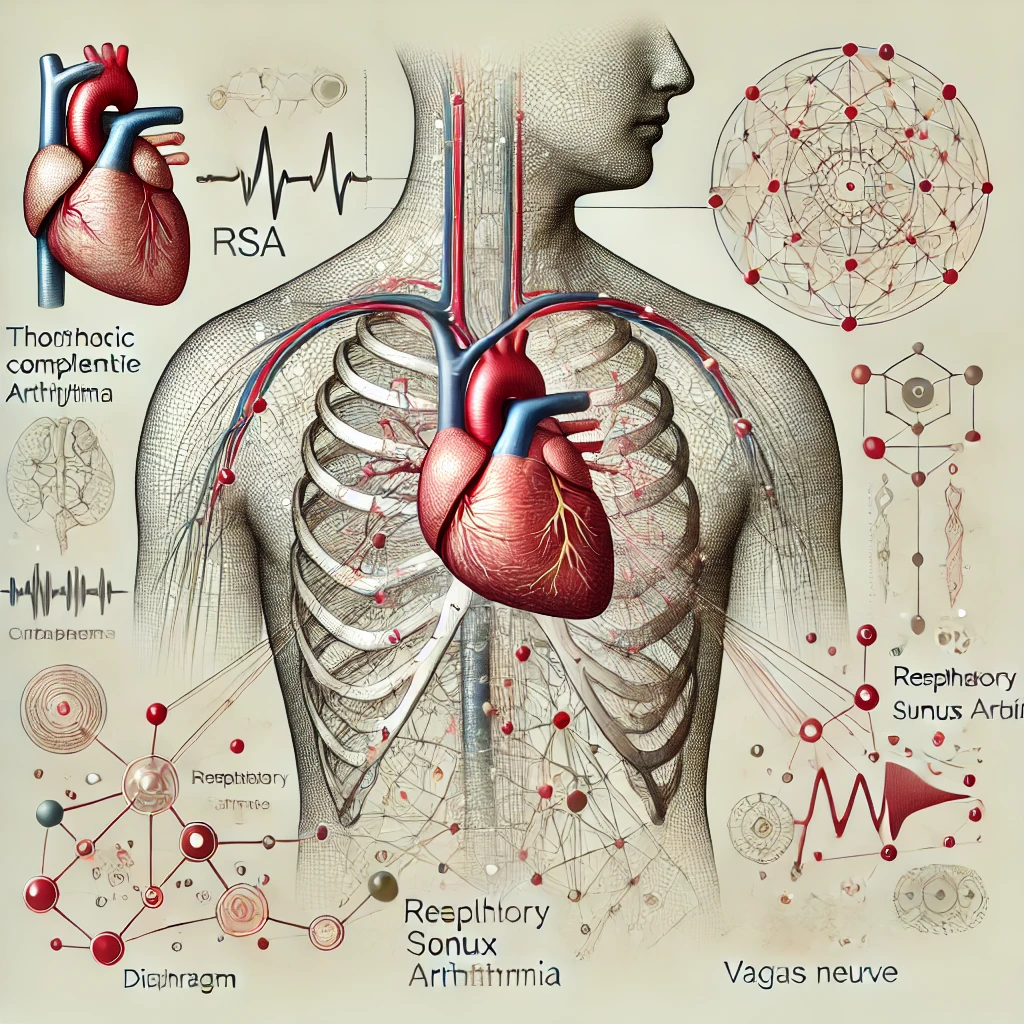
THE HEART TALKS TO THE BRAIN
- The heart sends signals to the brain through the vagus nerve (part of the parasympathetic system).
- These signals influence brain regions that control emotions, concentration and decisions (e.g., the prefrontal cortex).
Imagine the heart as an orchestra conductor and the brain as the musicians: HRV represents harmony among them. When the heart is synchronized with the brain, body and mind function at their best, ensuring well-being and balance.
HRV, or heart rate variability, measures how much the interval between one heartbeat and the next varies. Although our heart seems to beat with a regular rhythm, the intervals between beats actually change slightly. And this variability is important!
HRV explained with a simple metaphor
Imagine driving a car:
- When you’re relaxed, you have a well-tuned car, which can speed up or slow down easily based on traffic. This flexibility represents a high HRV, which is a sign of a balanced nervous system that is ready to adapt to changing demands.
- When you’re stressed, it’s like driving a car with a rigid, unresponsive engine. The car struggles to adapt to changes, and this corresponds to a low HRV, indicating that the body has difficulty responding to stimuli.
How does HRV work?
Your heart is connected to the autonomic nervous system, which has two main “modes”:
- Relaxation mode (parasympathetic): It’s like the brake of your car, which slows your heart when you are calm.
- Fight-or-flight mode (sympathetic): It is the accelerator, which makes your heart beat faster when you are alert or under stress.
Healthy HRV means that your body can easily move between these two modes, like a car that accelerates or brakes smoothly.
Why is HRV important?
High HRV indicates that:
- You are able to manage stress and recover quickly.
- Your nervous system is in balance.
- Your general health is better.
Low HRV, by contrast, is like an engine that struggles to react and can be a sign of chronic stress, fatigue or poor health.
HRV and rhythm of life
Think of your heart as a dancer
- With a high HRV, the dancer manages to dance to the rhythm of the music, adapting easily to slow or fast movements.
- With a low HRV, the dancer is stiff and struggles to follow the rhythm of the music, losing harmony.
HRV and food choices explained with a metaphor
Imagine your body as a cook preparing your meals
- With a high HRV, the cook is calm and attentive, follows the recipe with precision, chooses healthy ingredients and takes the time to cook well. This represents the ability to make balanced, mindful food choices.
- With a low HRV, the cook is stressed and hectic: they choose ingredients at random, do not follow the recipe and opt for convenience foods or less healthy options. This happens when stress or negative emotions influence impulsive choices.
How HRV affects food choices
- Emotional eating: When your HRV is low, you are more vulnerable to emotions such as stress, anxiety or sadness, which lead you to seek comfort in food (sweets, snacks and highly processed foods).
- Reduced awareness: a low HRV is a sign that the nervous system is in a state of “survival” (fight-or-flight mode). In this state, food choices are often automatic and not rational.
- Poor digestion: A low HRV also indicates that the parasympathetic system (responsible for digestion) is less active, leading to digestive problems or food choices based on “cravings” rather than genuine needs.
Training HRV to improve food choices
-
Mindful Breathing Techniques
Before eating, take a moment to breathe slowly and deeply. This increases HRV and helps you to choose what to eat calmly, rather than acting on impulse.- Metaphor: It is like asking the cook to sit down and relax before cooking begins.
-
Eating with mindfulness
Focus on every bite, chew slowly and listen to the signals of your body. A high HRV helps you recognize when you are full and avoid excesses.- Metaphor: It is like carefully following the recipe without adding unnecessary ingredients.
-
Stress management
Include activities such as yoga, meditation or walks to improve your HRV. With a more balanced nervous system, you will be less likely to use food as an emotional outlet.- Metaphor: It’s like making the cook rest after a stressful day, so that they can cook more effectively.
-
Meal Planning
With a high HRV, you are better able to plan and prepare healthy meals, rather than giving in to the temptation of convenience foods with little nutritional value.- Metaphor: It is like giving the cook a precise list of ingredients before starting.
You can train your HRV through breathing techniques, meditation and physical activity or, using a more structured scientific approach, through biofeedback. These methods can help you improve HRV consciously and effectively.
It is like teaching the dancer to dance better, following the rhythm of life with more grace and balance!