The price of a society that never stops…
Why does your nervous system need a break?
In modern society, we live in a context of continuous hyperactivity, fueled by a capitalist system that constantly drives us to produce. The moments of peace and boredom, once fundamental for our mental balance, have been almost entirely eliminated. Today, pausing and spending time with ourselves is perceived as a waste of time and therefore of money. This constant pressure leads many people to mistake activities that require mental or physical energy, such as training or using social media, for moments of relaxation, maintaining the nervous system in a state of continuous stress.
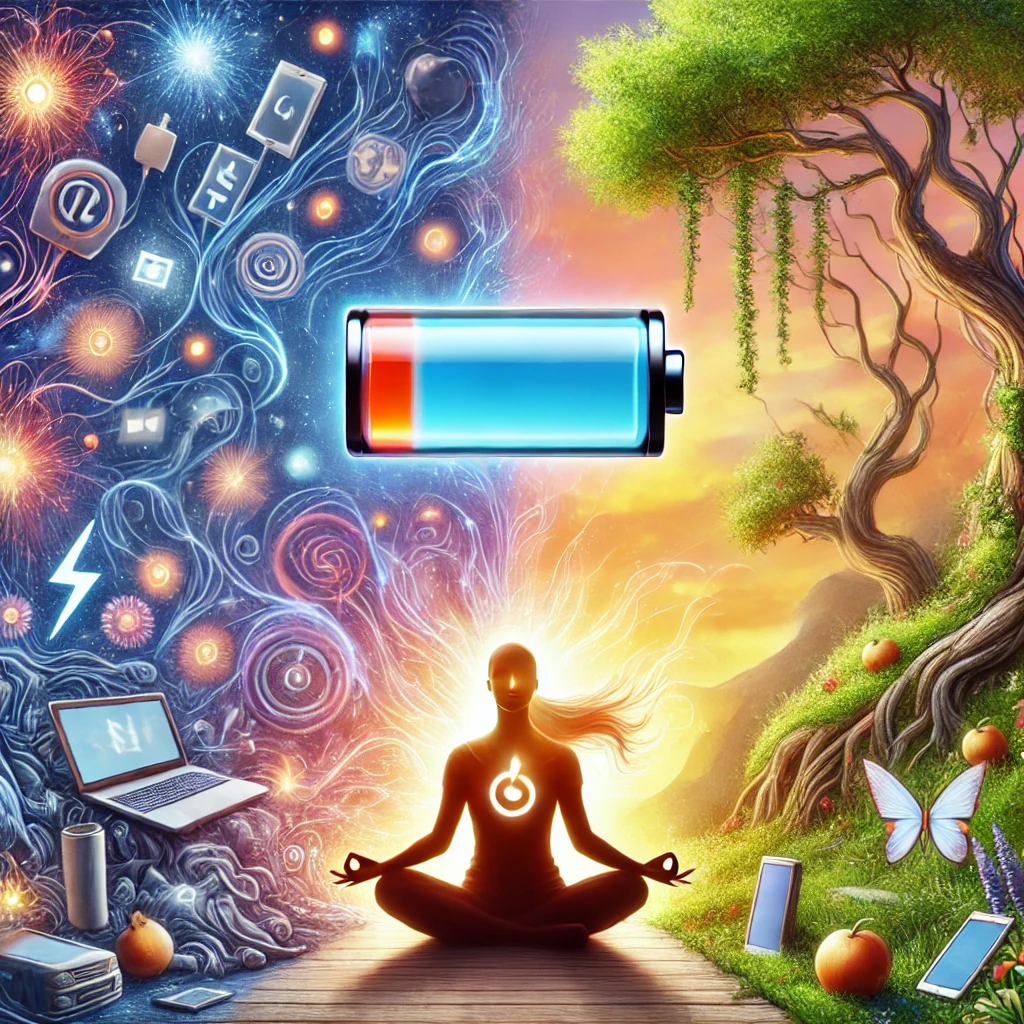
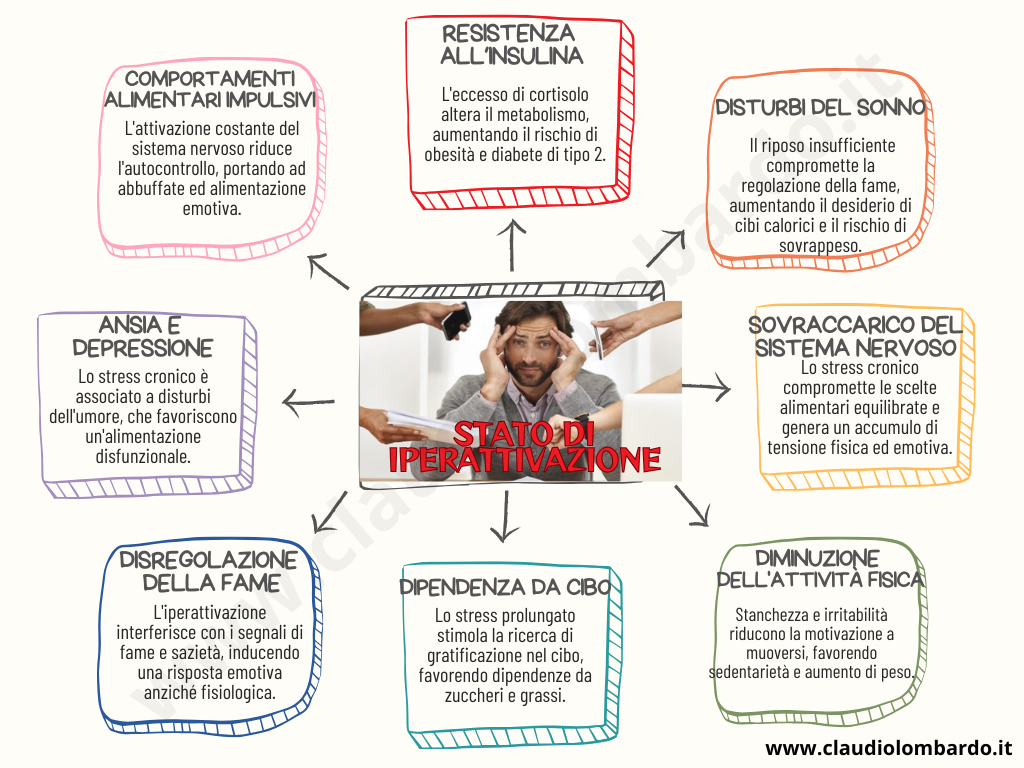
Our nervous system works like a battery: every stimulating activity drains some of its charge. Without moments of real rest, we risk depleting our energy reserves, worsening stress, distress and harmful habits such as overeating. In this situation, the body, perceiving continuous energy consumption, may begin to demand more food as compensation. This state of exhaustion and tension often leads to the development of abnormal hunger, which does not arise from a real physical need, but from the body’s perception that it lacks sufficient resources to cope with constant stress.
Boredom, once seen as an opportunity to reflect and reorganize thoughts, is now replaced by constant stimuli, leading to an increase in psychological disorders, especially among young people.
Distinguish “activation” and “relaxation”
We often struggle to distinguish genuine relaxation from moments when we are still under stress. Our brain, to work best, needs periods of inactivity to allow the unconscious to process emotions, memories and hidden impulses. The unconscious is like a gardener tending our inner garden. Without this pause, accumulated stress can compromise mental, physical and emotional balance.
A conscious approach to well-being
It is essential to rediscover the importance of real moments of calm. Activities such as quiet walks, breathing exercises, listening to relaxing music or simply “doing nothing” are essential to recharge our internal battery. A good practice is to create a list with two columns: in one, note the activities that stimulate the nervous system (e.g. work, social networks, caffeine), and in the other those that relax it (e.g. meditation, deep breathing, contact with nature).
The unconscious mind and the stress cycle
Our unconscious plays a key role in managing stress and habits. Many eating behaviours or emotional reactions are rooted in unconscious processes, such as associating food with emotional comfort. Understanding and addressing these hidden mechanisms is crucial to interrupt the cycle of stress and distress, promoting authentic well-being.
Conclusion
The challenge of our time is to regain the moments of genuine quiet, distinguishing what really relaxes us from what activates us. Only in this way can we preserve the balance of our nervous system and live a healthier and more fulfilling life.