
From genes to symptoms
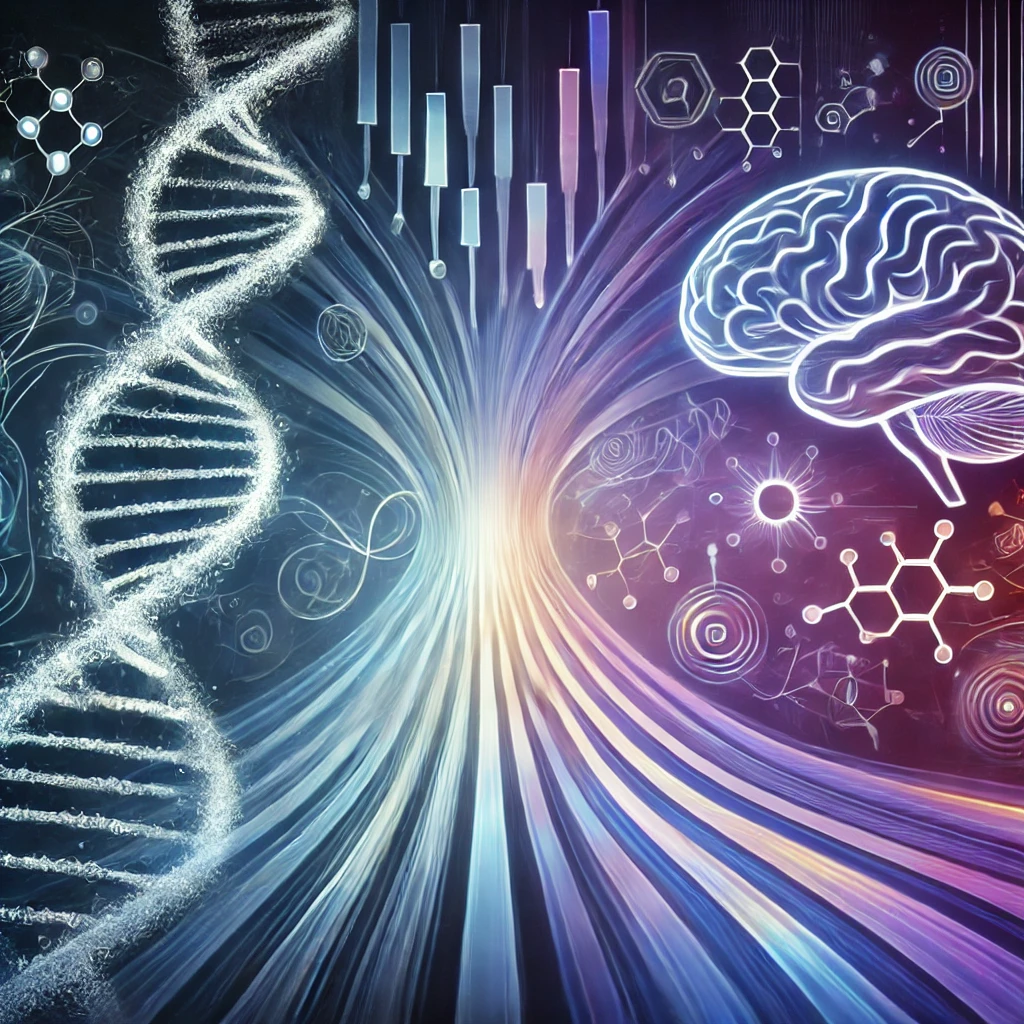
A bridge between genetics and behavior
What is an Endophenotype?
An endophenotype is a central concept in psychiatric research and neuroscience that refers to a measurable trait, located halfway between genetics and observable behavior. Endophenotypes are considered biological markers or intermediate characteristics that help connect underlying genetic mechanisms with the clinical symptoms of a disorder. This approach is particularly useful for studying complex psychiatric disorders such as schizophrenia, bipolar disorder and depression – but also eating disorders – where observable symptoms can be heterogeneous and influenced by multiple factors.
Key characteristics of endophenotypes
An endophenotype is defined by some fundamental features:
- Association with the disorder: must be significantly associated with a specific psychiatric or neurological condition.
- Heritability: must be influenced by measurable genetic factors, making it a heritable trait.
- Presence in family members: must be present in the first-degree relatives of patients, even when they do not present clinical symptoms.
- Stability: must be stable over time and not depend solely on the clinical state or on temporary factors.
- Measurability: must be detectable through objective techniques such as neuropsychological tests, brain imaging or biological biomarkers.
Differences between Endophenotypes and Symptoms
While symptoms are external manifestations of a disease (e.g. hallucinations or compulsive behaviors), endophenotypes represent underlying processes that are not directly visible. For example:
- In mood disorders, an endophenotype could be an alteration in circadian rhythm, while the observable symptom would be insomnia or depressed mood.
- In schizophrenia, an endophenotype could be a deficit in working memory, while the symptom is disorganized behavior.
Examples of Endophenotypes
Some common examples of endophenotypes studied include:
- Cognitive neuroscience: alterations in working memory, selective attention or executive functions.
- Neuroimaging: changes in brain activity, measured by functional magnetic resonance imaging (fMRI) or electroencephalogram (EEG).
- Biomarkers: abnormal levels of neurotransmitters (dopamine, serotonin), endocrine abnormalities or inflammation.
Usefulness of endophenotypes in research and clinical practice
Endophenotypes are useful tools for both researchers and clinicians, since:
- Facilitate understanding of causes: They connect genes to symptoms, improving understanding of biological mechanisms underlying a disorder.
- Improve diagnosis: make it possible to identify subgroups of patients with common characteristics, even in the absence of manifest symptoms.
- Guide personalized treatment: help develop targeted interventions based on specific biological or cognitive traits.
- Support prevention: by identifying endophenotypes in first-degree family members, early prevention strategies can be adopted.
Implications for eating behavior
Endophenotypes are emerging as a fundamental concept in the study of eating behavior and related disorders, such as anorexia nervosa, bulimia and binge-eating disorder. Some examples include:
- Neurocognitive alterations: changes in the reward circuits related to dopamine, which can affect the response to high-calorie foods.
- Hormonal dysfunction: markers such as ghrelin or leptin, which regulate appetite, can be considered endophenotypes of eating disorders.
- Emotional regulation: deficits in emotional regulation processes leading to dysfunctional eating behaviors.
By studying these endophenotypes, it is possible to develop more effective interventions to manage and treat eating disorders, integrating biological, psychological and behavioral approaches.
Conclusion
An endophenotype is a crucial element in decoding complex mental and neurological disorders. Studying endophenotypes can bridge the gap between genetics and behavior, improve diagnosis, develop personalized treatments and contribute to prevention. This integrated approach is revolutionizing psychiatry and neuroscience, offering new opportunities to understand and address mental disorders, including dysfunctional eating behaviors.