
PERIPHERAL TEMPERATURE
Performance, Weight Management and Thermoregulation
Relationship between eVu TPS and Body Temperature
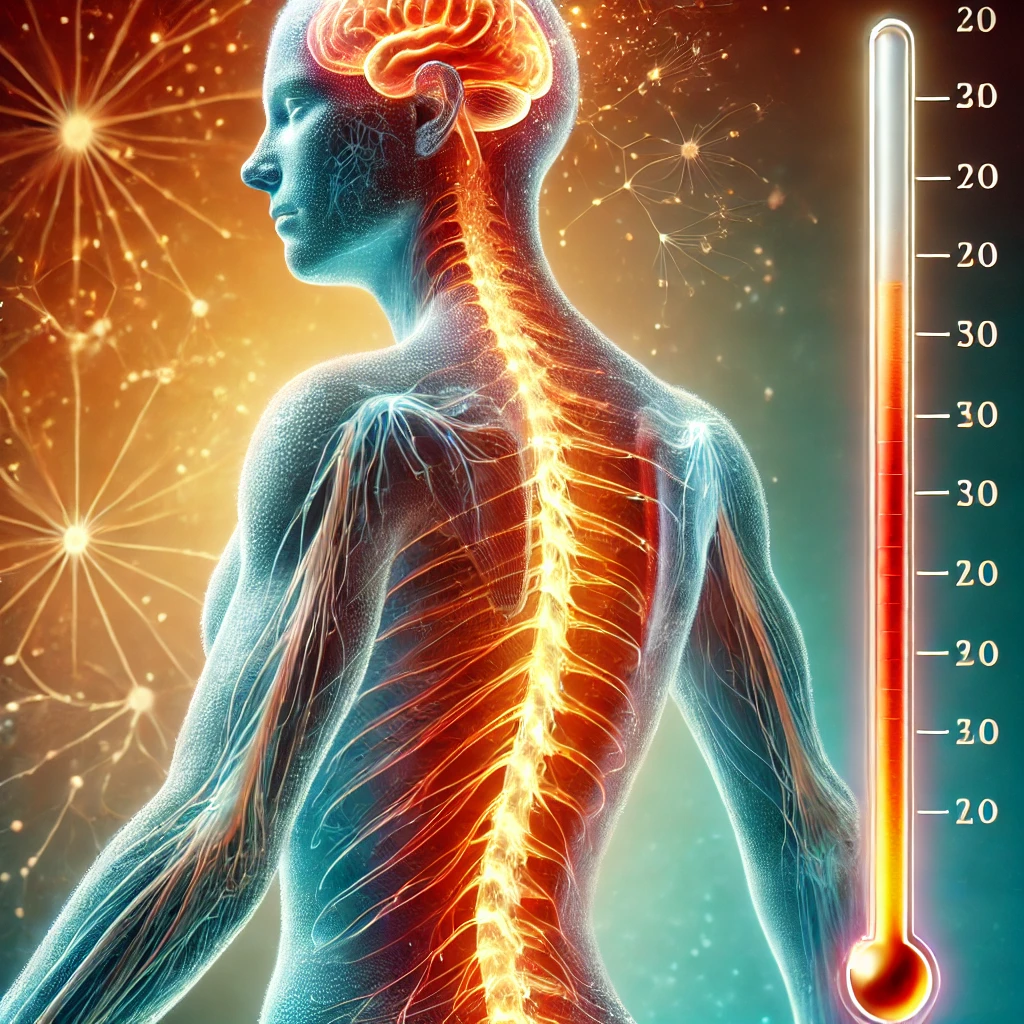
The eVu TPS measures arousal and nervous-system activation, providing information about the state of the autonomic nervous system (ANS), which regulates many bodily functions, including body temperature. Body temperature, in turn, is an important indicator of physiological regulation and metabolic state.
1. The Role of Body Temperature
- Sympathetic nervous system activation (SNS):
- High arousal (during stress or intense activity) stimulates the SNS and may increase body temperature to support metabolism and physical performance.
- Peripheral vasoconstriction reduces heat loss, increasing internal temperature.
- Parasympathetic nervous system activation (PNS):
- Deep relaxation states lower arousal and promote a stable or slightly reduced body temperature.
2. Related factors
a. Stress and Thermoregulation
- Acute stress (high arousal) can raise body temperature through the release of adrenaline and cortisol, which increase metabolism and blood flow to the muscles.
- Chronic stress can lead to thermoregulatory dysregulation, such as cold hands and feet due to peripheral vasoconstriction.
b. Relaxation and Cooling
- During an induced relaxation state (low arousal), the parasympathetic nervous system favours a reduction in basal metabolism, stabilising or lowering body temperature.
- This is evident in techniques such as deep meditation or biofeedback, where subjects may show a reduction in peripheral skin temperature.
c. Physical Activity and Temperature
- A moderate level of arousal during exercise increases body temperature, reflecting accelerated metabolism and high heat production.
- During recovery, relaxation activates the PNS, allowing gradual heat dissipation.
3. EVU TPS and applications in Thermoregulation
The analysis of EVU TPS can be used to monitor and optimise body temperature in different contexts:
- Physical performance:
- During intense exercise, high arousal promotes increased muscle temperature, improving muscle power and flexibility.
- Monitoring the EVU TPS can help prevent overheating and optimise recovery.
- Weight loss:
- Maintaining a moderate arousal improves thermogenesis, supporting caloric expenditure.
- Stress management:
- The correlation between EVU TPS and temperature can be used to identify autonomic imbalances, such as chronic stress or anxiety, which alter thermoregulation.
4. EVU TPS and Temperature Monitoring
Biofeedback devices that combine EVU TPS and skin temperature measurement can offer significant insights:
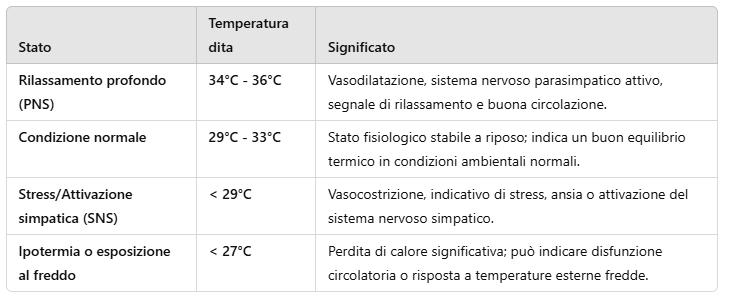
- Peripheral temperature: Indicator of autonomic state (e.g. cold hands indicate high arousal and vasoconstriction).
- Thermal feedback: Helps to regulate autonomic state to balance the SNS and the PNS.
What affects temperature readings?
- Stress and arousal:
- Under stress, the sympathetic system causes peripheral vasoconstriction, lowering the finger temperature.
- Environment:
- In cold environments, finger temperature can fall below 28°C to maintain core body temperature.
- Health conditions:
- Chronically cold hands (<27°C) can be a sign of circulatory problems or autonomic imbalances (e.g. Raynaud’s phenomenon).
- Physical activity:
- During or after intense exercise, peripheral vasodilation can lead to warm hands.
In summary
Body temperature is a valuable indicator of activation or relaxation within the autonomic nervous system. Monitoring it provides a comprehensive way to optimise physiological regulation, improve performance and support overall well-being.